Devin Allen’s Baltimore: Protest, Portraits & Resilience
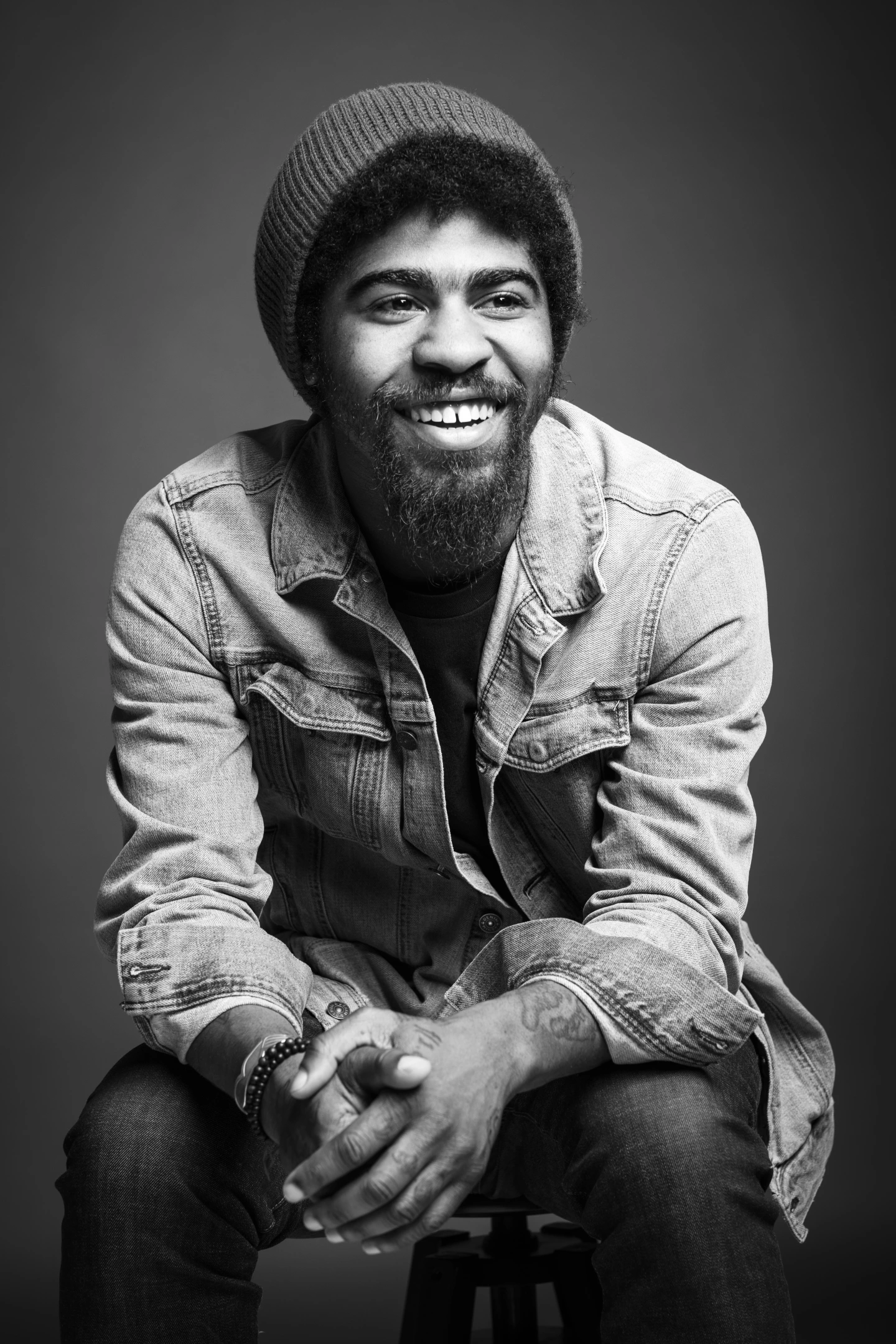 Devin Allen’s photographs don’t feel like they were taken — they feel like they happened. They move with the pulse of Baltimore, with its grief, its defiance, its beauty, and its bruises. His images don’t ask for permission. They stand right in front of you, shoulders squared, eyes locked, telling the truth whether you’re ready or not.
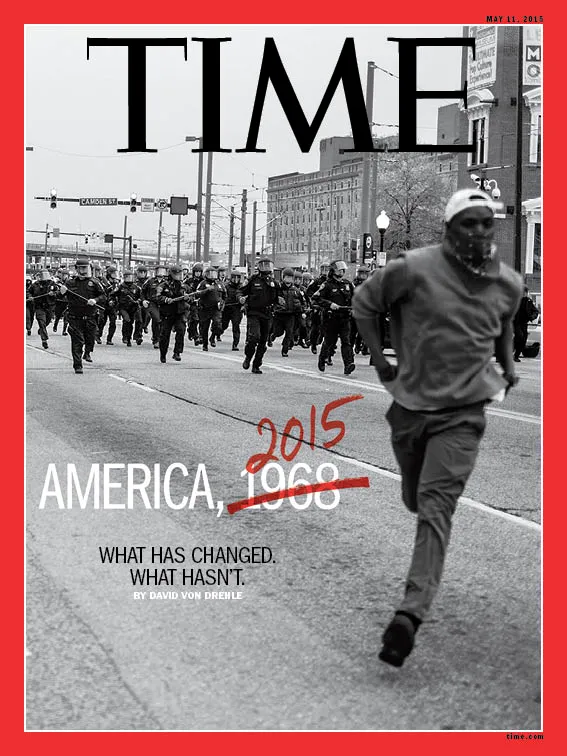
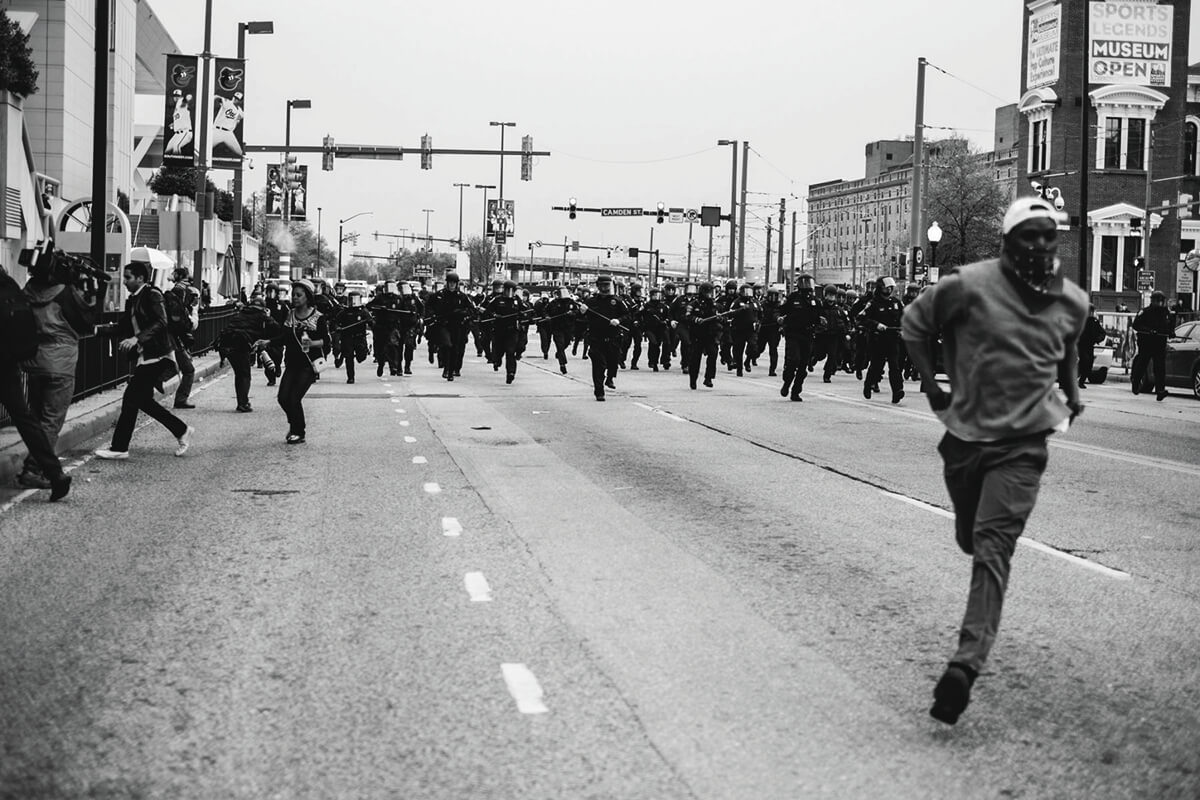
Allen is a son of West Baltimore, self-taught and street-trained, a photographer whose rise didn’t come through art schools or gallery circuits but through lived experience. In 2013, his grandmother gave him a camera. Two years later, one of his photos — a protester sprinting through tear gas during the Baltimore Uprising after Freddie Gray’s death — landed on the cover of Time magazine. Overnight, Allen became a national voice, not because he chased the moment, but because he was already standing in it.
That Time cover mattered. Not just because it was historic — Allen was only the third amateur photographer to grace the magazine’s cover — but because it came from inside the story. This wasn’t a parachuting journalist capturing chaos from a safe distance. This was a neighbor documenting heartbreak, rage, and resolve from ground level. His lens didn’t exoticize pain. It testified to it.
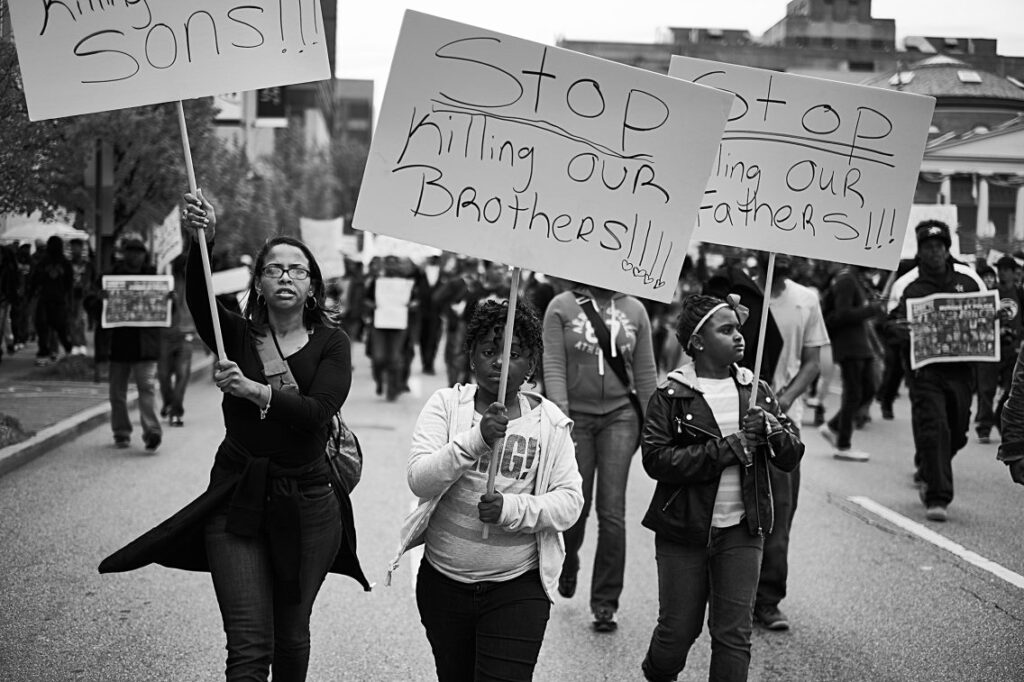
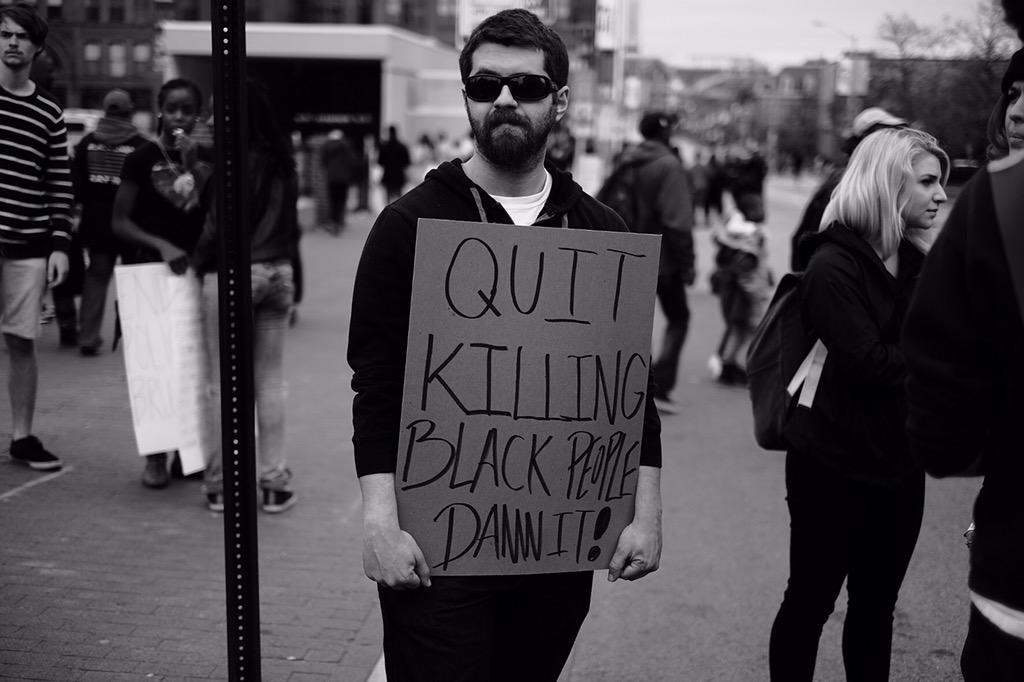
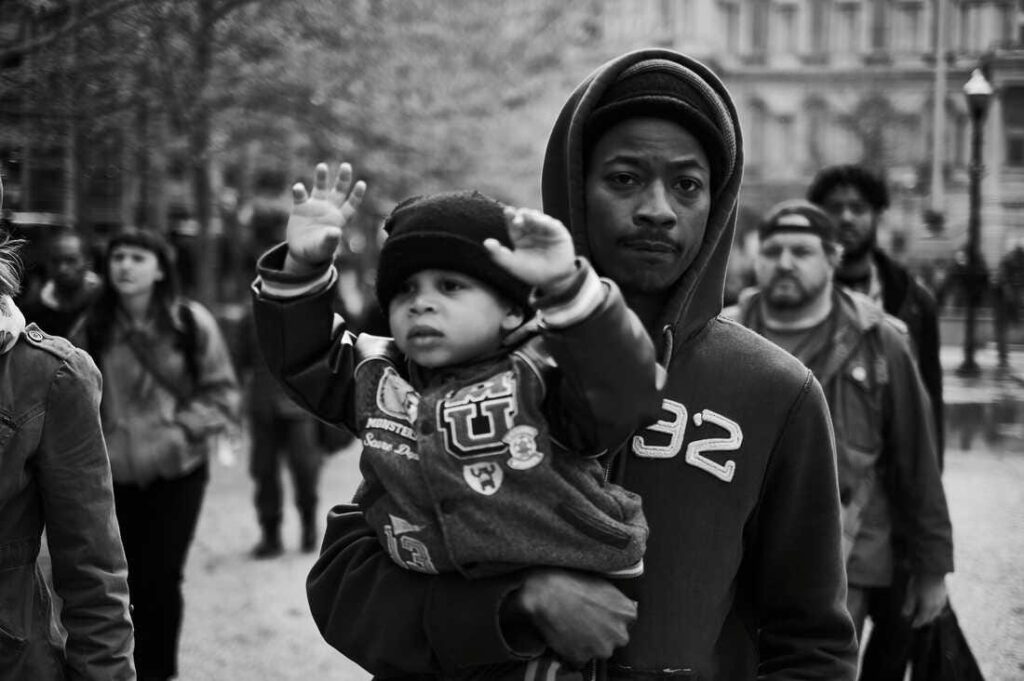
Allen’s work lives in the tension between protest and poetry. He documents uprising, yes — but also joy, intimacy, love, and ordinary Black life that rarely gets archived with dignity. Kids on stoops. Couples holding hands. Faces caught between exhaustion and hope. His photographs argue, quietly but firmly, that Black life is not defined solely by trauma, even when trauma is unavoidable.
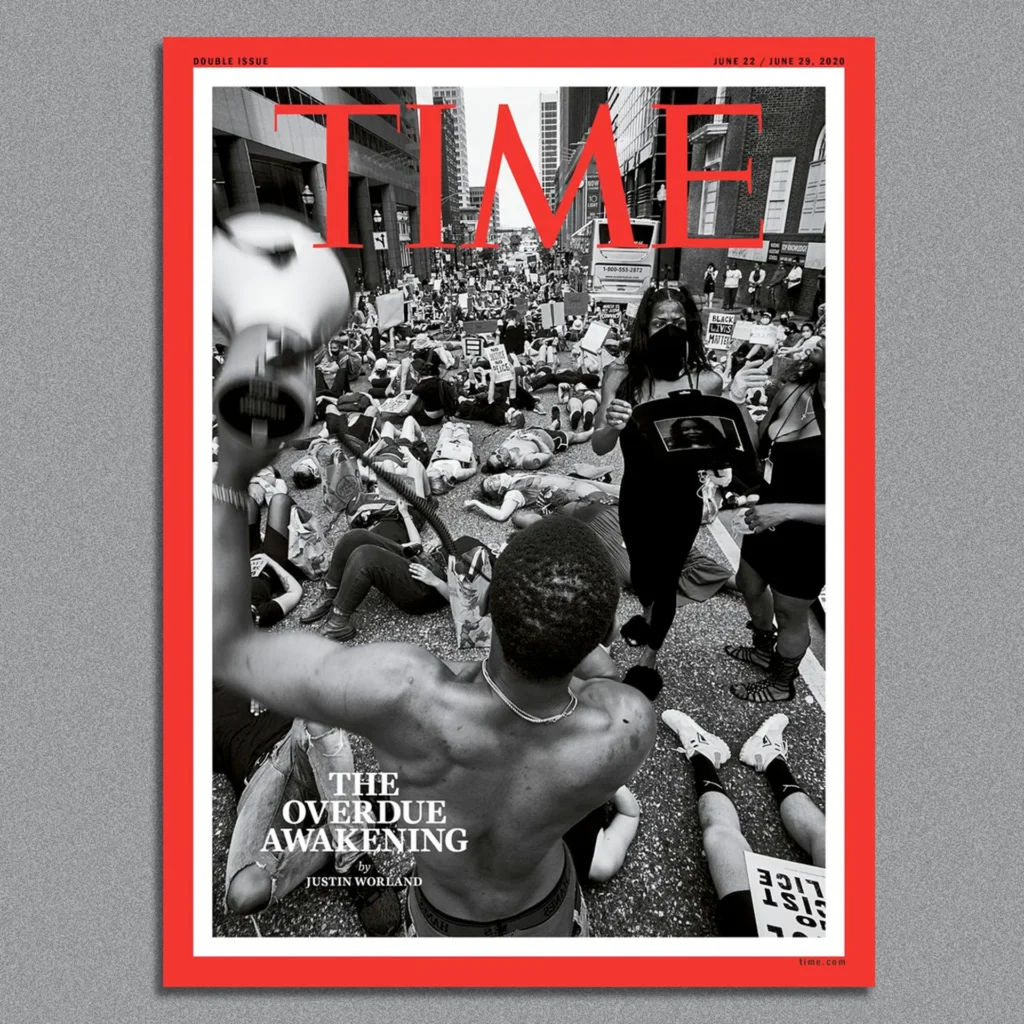
In 2020, Time again turned to Allen, this time for its cover documenting a Black Trans Lives Matter protest in the wake of George Floyd, Breonna Taylor, and Tony McDade. The moment cemented what many already knew: Allen had become one of the most essential visual storytellers of his generation. His camera wasn’t just recording history — it was shaping how history would be remembered.
The institutions followed. His work entered permanent collections at the Smithsonian’s National Museum of African American History and Culture, the Studio Museum in Harlem, and the Reginald F. Lewis Museum. His debut book, A Beautiful Ghetto, earned an NAACP Image Award nomination, reframing Baltimore not as a headline, but as a home — complex, wounded, and worthy of care.
But Allen has never been content with acclaim alone. He returned his success to the city that raised him, founding Through Their Eyes, a youth photography program that puts cameras into the hands of Baltimore’s young people and teaches them how to tell their own stories before someone else tells them wrong. It’s Gordon Parks energy — which makes sense, considering Allen became the first recipient of the Gordon Parks Foundation Fellowship.
In 2020, Leica named him a brand ambassador, aligning one of photography’s most iconic names with a man who proves that vision matters more than pedigree. And yet, even with global recognition, Allen’s work remains rooted. Baltimore isn’t a backdrop for his art. It’s the subject, the collaborator, the heartbeat.
Devin Allen doesn’t photograph movements because they’re trending. He photographs them because they’re necessary. His images don’t chase virality — they chase truth. And in an era oversaturated with pictures, that might be the rarest thing of all.